
Solar-Plus-Storage Planning for Commercial Rooftop Projects
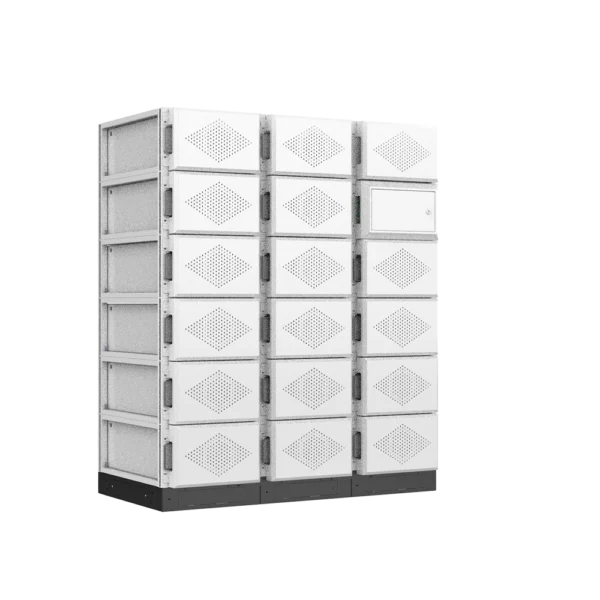 Commercial rooftop solar projects often gain more value when battery storage is planned at the same time. PV generation may be strongest when the building load is lower. Storage can shift energy, reduce export dependence, or support selected loads during grid events. The combined design should reflect the site load curve.
Use-case fit
The first step is to define the job the storage system must perform. Some projects are driven by cost control, others by backup needs, and others by solar self-consumption or grid limitations. A buyer should write down the operating goal, the expected load behavior, and the site constraints before comparing suppliers. This prevents the discussion from turning into a simple capacity comparison.
Supplier evidence
Buyers should compare PV output, daytime consumption, export limits, battery size, inverter strategy, and EMS rules. A solar-only design may miss opportunities that become clear when storage is considered early. Buyers should ask suppliers to show the assumptions behind the recommendation: usable capacity, power rating, cooling method, enclosure format, control logic, installation conditions, and support scope. A strong proposal does not need to be complicated, but it should be specific enough for engineering, purchasing, and finance teams to review the same facts.
Buyer checklist
The mistake is treating PV and storage as separate projects with separate assumptions. The buyer should ask: When does the building use energy? How much PV is exported? What loads could storage support? If these answers are missing, the quotation may still be useful as a price reference, but it is not yet strong enough for final selection. A better supplier conversation will connect the technical choice with installation, operation, and service expectations.
For commercial rooftop teams comparing commercial solar battery storage, PVB offers a useful reference for solar-plus-storage project planning.
Closing view
Solar-plus-storage works best as one energy plan. The strongest storage projects are usually the ones where assumptions are visible early. That makes it easier to compare offers, avoid late redesigns, and choose a system that can be installed and operated with fewer surprises.
Commercial rooftop solar projects often gain more value when battery storage is planned at the same time. PV generation may be strongest when the building load is lower. Storage can shift energy, reduce export dependence, or support selected loads during grid events. The combined design should reflect the site load curve.
Use-case fit
The first step is to define the job the storage system must perform. Some projects are driven by cost control, others by backup needs, and others by solar self-consumption or grid limitations. A buyer should write down the operating goal, the expected load behavior, and the site constraints before comparing suppliers. This prevents the discussion from turning into a simple capacity comparison.
Supplier evidence
Buyers should compare PV output, daytime consumption, export limits, battery size, inverter strategy, and EMS rules. A solar-only design may miss opportunities that become clear when storage is considered early. Buyers should ask suppliers to show the assumptions behind the recommendation: usable capacity, power rating, cooling method, enclosure format, control logic, installation conditions, and support scope. A strong proposal does not need to be complicated, but it should be specific enough for engineering, purchasing, and finance teams to review the same facts.
Buyer checklist
The mistake is treating PV and storage as separate projects with separate assumptions. The buyer should ask: When does the building use energy? How much PV is exported? What loads could storage support? If these answers are missing, the quotation may still be useful as a price reference, but it is not yet strong enough for final selection. A better supplier conversation will connect the technical choice with installation, operation, and service expectations.
For commercial rooftop teams comparing commercial solar battery storage, PVB offers a useful reference for solar-plus-storage project planning.
Closing view
Solar-plus-storage works best as one energy plan. The strongest storage projects are usually the ones where assumptions are visible early. That makes it easier to compare offers, avoid late redesigns, and choose a system that can be installed and operated with fewer surprises.
The Weekly Design Drop — new entries, style deep-dives, and the TDB Index, every Friday.
Get the Weekly Design Drop 142,000 subscribers · 38% open rate · verified by Mailchimp Q1 2024